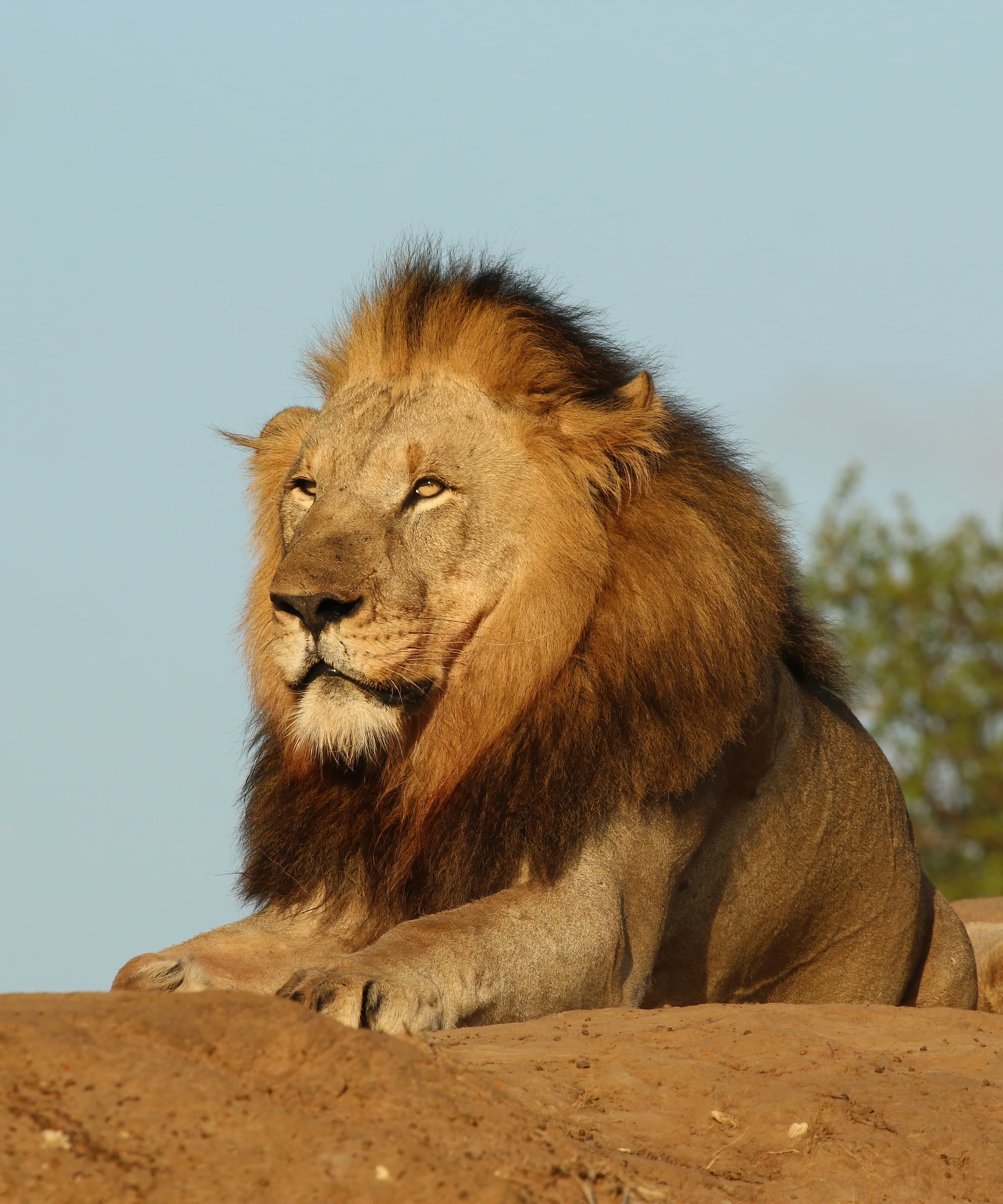
The creature
Anatomy, behaviour, diet, and the small details that show how it survived.
 findin / a daily game
One creature a day. Guess where it lived, and when. The clues are there.
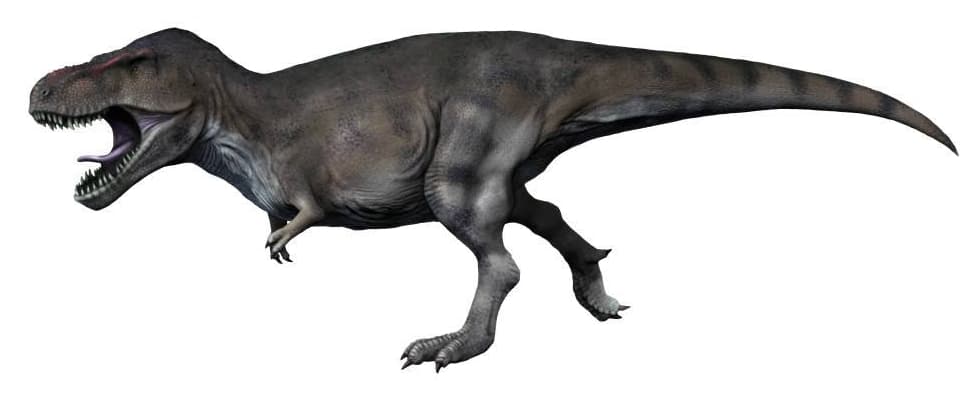
Where did it live? When did it live? Read the clues and make your case.
Paleogeography
Compare today's map with the world as it was.
Field series
Earth before complex life.
The world before the dinosaurs.
Earth in the age of dinosaurs.
The world as it is.
Anatomy, behaviour, diet, and the small details that show how it survived.
Where the fossil was found, and what the coastline looked like back then.
You guess a time window, not an exact year.
Life through time
Findin moves across the history of life: living animals, Ice Age giants, ancient marine life, dinosaurs.
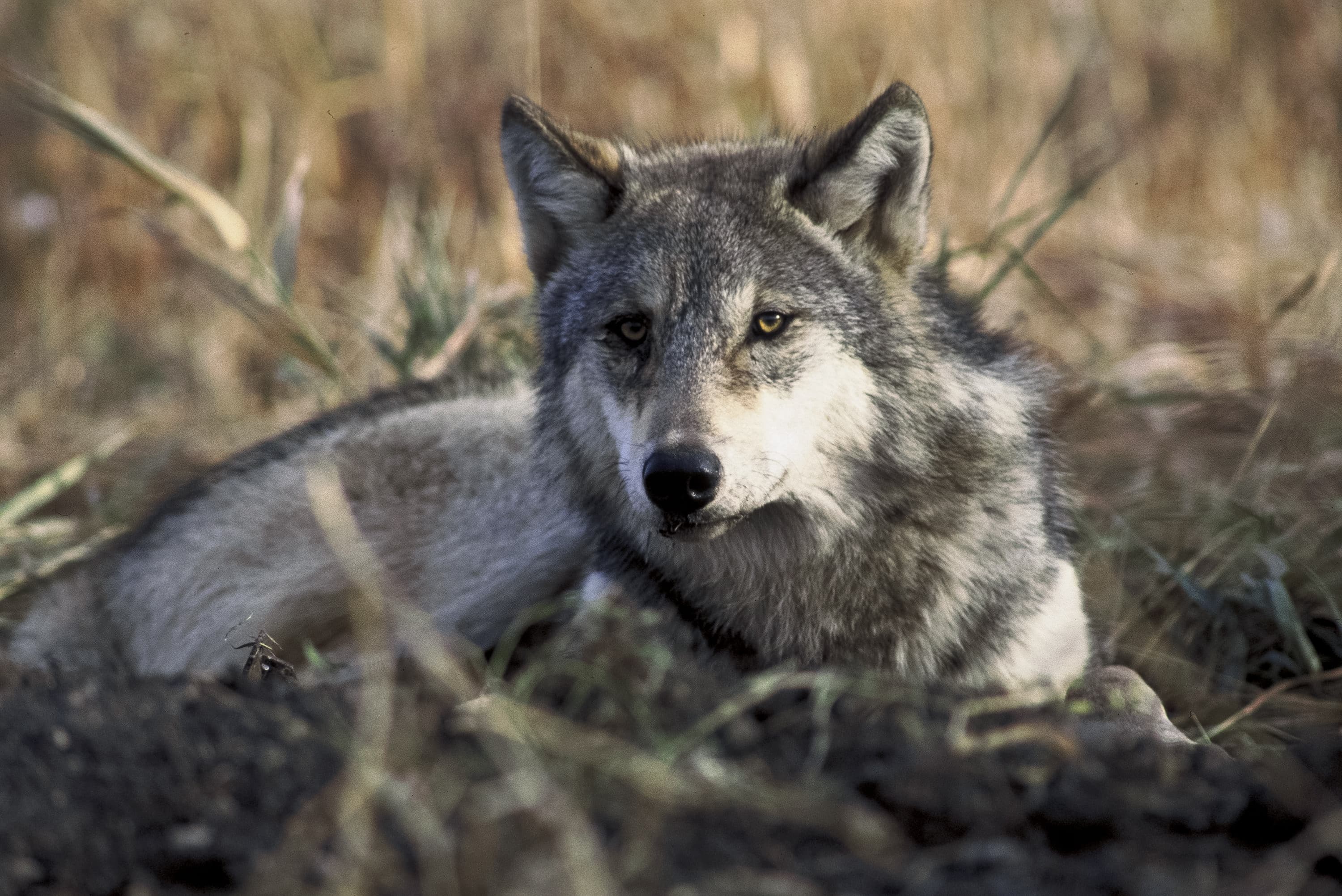
Present
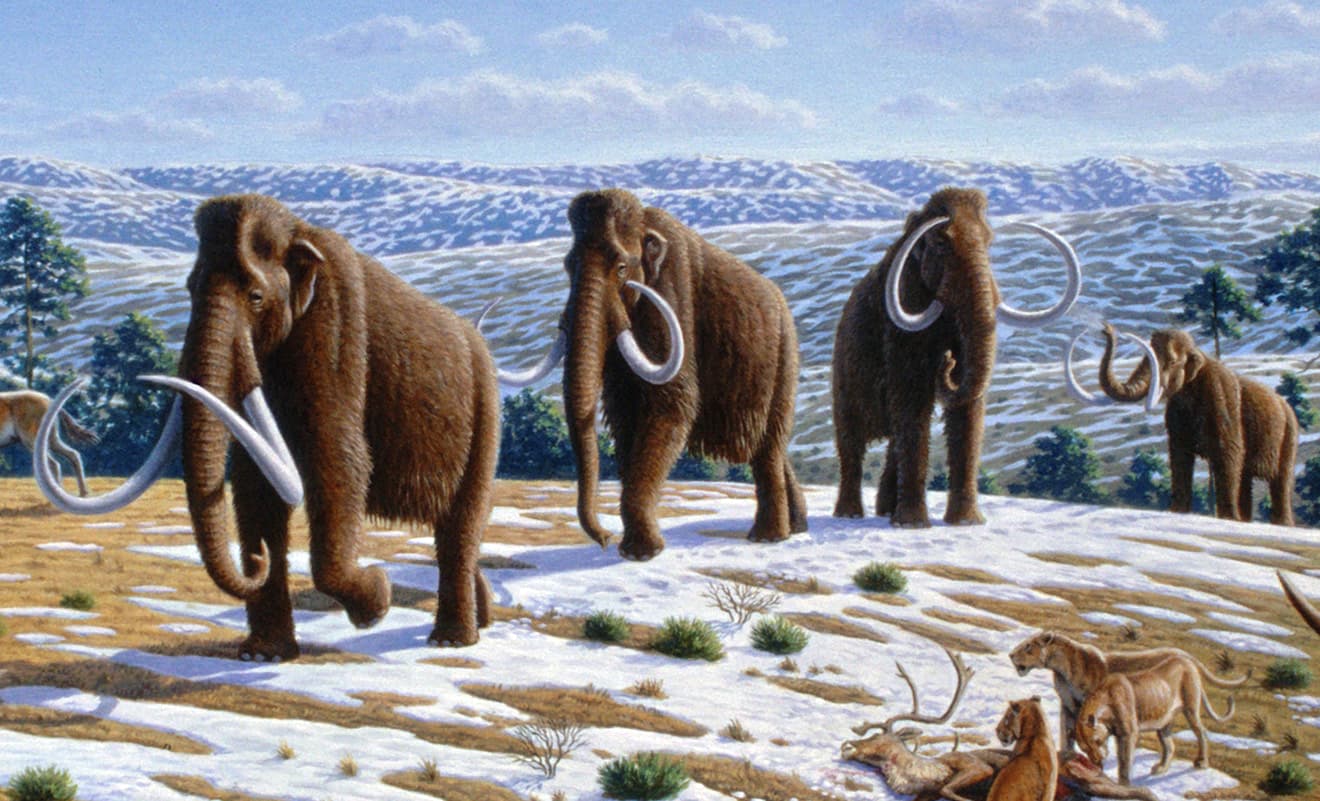
Quaternary
Cenozoic
Mesozoic
Evidence to answer
Use records, age estimates, and reconstructed maps to make your guess.
A fossil or living observation is a record of where a creature was found.
Look for clues in the environment where it lived.
An age estimate places the find within Earth's history.
See what the continents looked like at the time.
You weigh the clues and make the call.
A note on evidence
Records show where a species has been found. They do not reveal its full range, and the record is incomplete.
Known occurrence
Suggested range
No record does not mean absent
The tree of life
After a round, explore how the creature is related to other species.
Simplified diagram / many groups omitted
Stuck? Start here.
Teeth, limbs, feathers, armour, shape and size all offer clues. Anatomy can show how an animal lived and what it was adapted to.
Habitat clues, such as rainforest, reef or grassland, can narrow the search.
Over geological time, oceans open, landmasses split, and coastlines change.
Fossil dates and maps can be uncertain. Use the evidence to make your best estimate.
Sources
Data sources, open media, and further reading.
Today's creature is waiting.